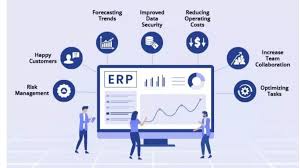
The shift toward remote and hybrid work models has transformed how organizations operate. Companies now rely on digital infrastructure to ensure employees can collaborate, access data, and complete tasks from anywhere. One of the most critical technologies enabling this transition is Enterprise Resource Planning (ERP) software.
Modern ERP systems, especially cloud-based platforms like SAP S/4HANA, Oracle NetSuite, and Microsoft Dynamics 365, are designed to centralize business processes and provide real-time access to company data—making them ideal for remote and hybrid work environments.
1. Centralized Access to Real-Time Data
In traditional office settings, employees often relied on on-site servers or internal systems. Remote work eliminates physical proximity, so centralized data access becomes essential.
Cloud ERP systems store data in secure, centralized databases that employees can access through web browsers or mobile applications. This ensures that teams working from home, satellite offices, or different time zones can:
View real-time financial reports
Track inventory levels
Monitor project progress
Access HR and payroll information
With a single source of truth, businesses reduce errors, duplication, and miscommunication.
2. Improved Collaboration Across Departments
Hybrid work environments often involve teams distributed across locations. ERP software integrates various departments—finance, HR, procurement, sales, and operations—into one unified system.
For example:
The sales team can update orders remotely.
The finance team instantly sees revenue data.
The warehouse team receives automatic inventory updates.
This seamless flow of information improves cross-department collaboration and minimizes delays.
3. Secure Remote Access and Data Protection
Security is a top concern when employees work remotely. Modern ERP platforms support:
Multi-factor authentication (MFA)
Role-based access control
Data encryption
Audit trails
These features ensure that employees only access the data relevant to their roles while protecting sensitive company information from cyber threats.
4. Automation of Business Processes
Remote teams cannot rely on manual paperwork or physical approvals. ERP systems automate critical workflows such as:
Invoice approvals
Purchase requests
Expense reimbursements
Payroll processing
Automation reduces dependency on physical presence and accelerates decision-making.
5. Mobile Accessibility
Today’s workforce expects flexibility. Many ERP systems offer mobile apps that allow employees and managers to:
Approve transactions
Review dashboards
Track KPIs
Respond to alerts
This mobility supports productivity regardless of location.
6. Enhanced Reporting and Performance Monitoring
Managers in hybrid environments need visibility into operations without micromanaging teams. ERP dashboards provide real-time analytics and performance indicators that help leaders:
Monitor financial health
Evaluate employee productivity
Track supply chain performance
Identify operational bottlenecks
This data-driven approach supports strategic decision-making.
7. Scalability for Evolving Work Models
Remote and hybrid work models continue to evolve. ERP systems are highly scalable, allowing companies to:
Add new users quickly
Expand into new regions
Integrate third-party collaboration tools
Adapt workflows to changing needs
Cloud ERP solutions are especially beneficial because they allow businesses to scale without major infrastructure investments.